


The history of the Mont Saint Michel is a tale shaped by vision, devotion, and survival. Rising from the sea off the coast of Normandy, this island has been a sanctuary, a fortress, and a symbol of resilience for over a thousand years, never still, always enduring.
708 — It Started with a Skull and a Vision
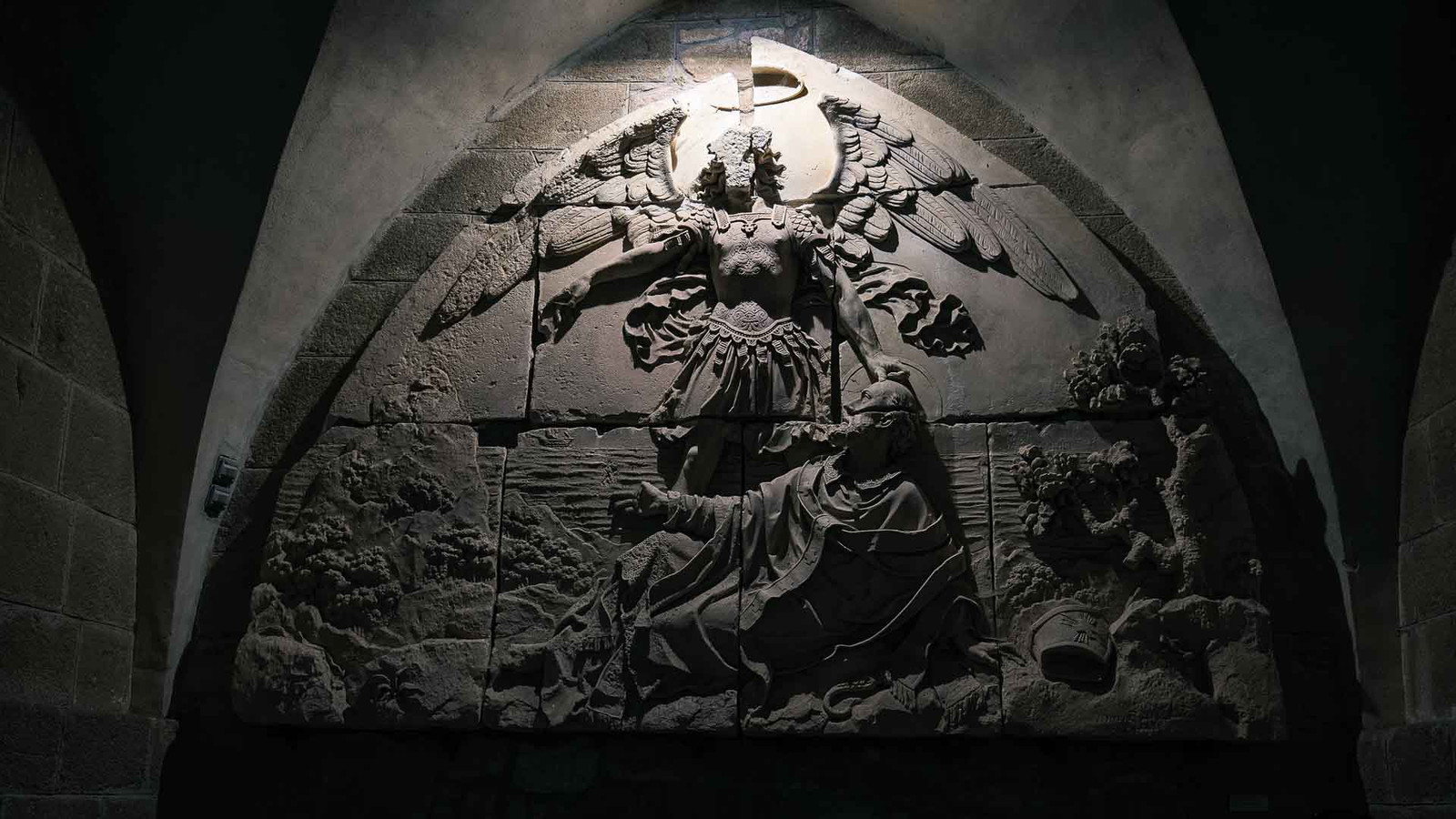
In the year 708, Bishop Aubert of Avranches claimed the Archangel Michael visited him in a dream and told him to build a church on a rocky island in the bay. Twice, Aubert ignored the call. The third time, legend says, Michael burned a hole in his skull with a finger of light. That seemed to get the message across.
Soon after, a chapel went up on what was then called Mont Tombe. It didn’t take long before monks moved in. Pilgrims started arriving too, crossing the treacherous bay with its fast tides and sinking sands. Getting there was a gamble with nature. That only made it more sacred.
966 — Builder Monks with Vision
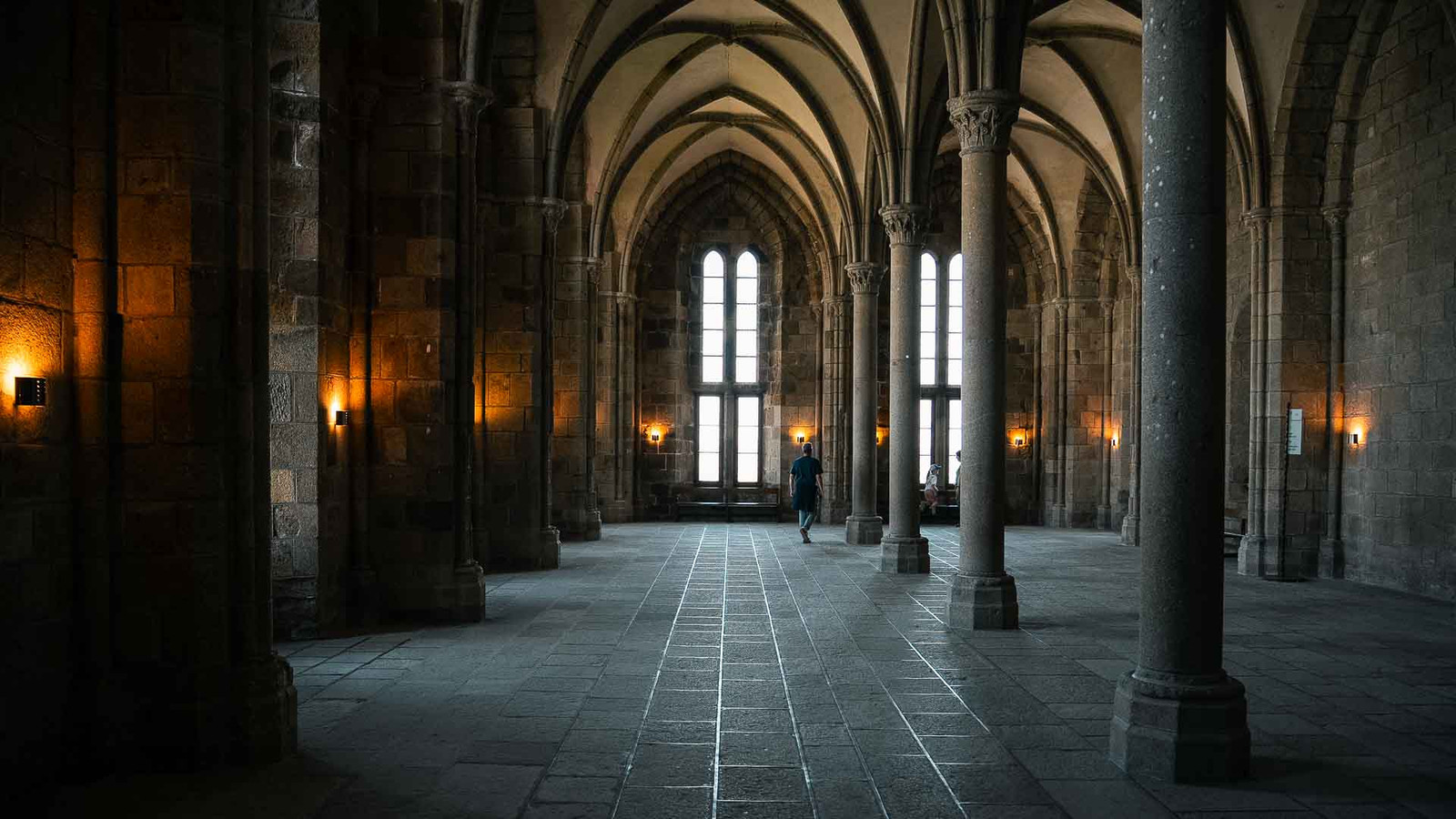
When Duke Richard I of Normandy handed the site over to Benedictine monks in 966, things started to shift. The monks didn’t just pray, they built. And they built big.
Granite blocks were dragged from quarries miles away. Workmen shaped the stone directly into the rockface. Over decades, they carved out chapels, a crypt, dormitories, and places to eat, read, and copy manuscripts by candlelight. The abbey grew straight up from the stone, as if it belonged there all along.
1204 — Fire, Then a Gothic Miracle
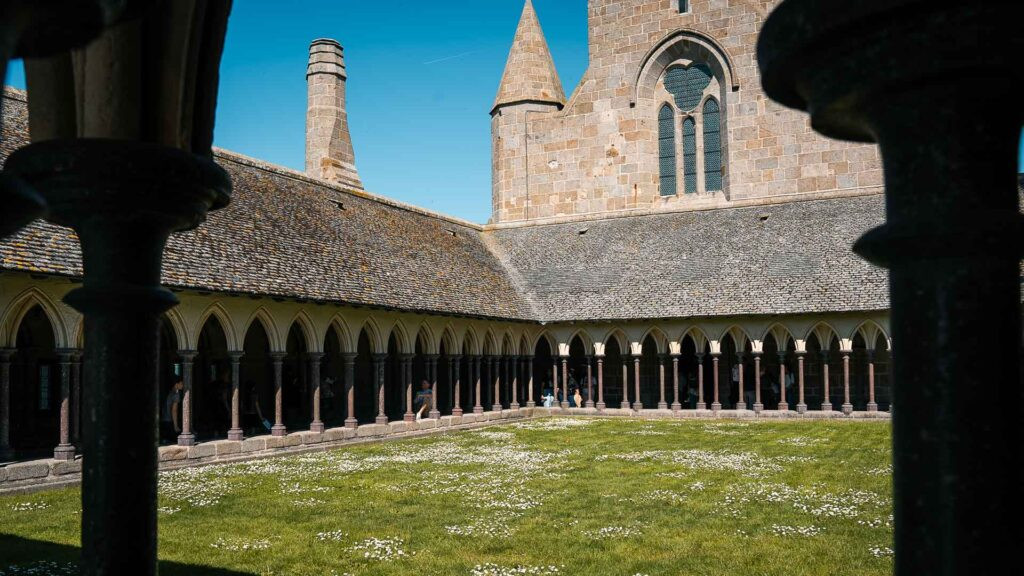
Disaster came in the early 1200s when troops loyal to the French king stormed and burned much of the abbey during a regional conflict. In a political twist, King Philip Augustus funded the repairs. And those repairs turned into something much more.
The result was La Merveille, or “The Marvel,” a Gothic architectural feat that stacked halls and cloisters on three vertical levels. The cloister floats above nothing but wind and ocean air. The refectory, the monks’ dining room, is airy and hushed, its silence designed into the architecture itself. Even now, it feels more like a vision than a building.
1337–1453 — The Fortress That Outlasted War
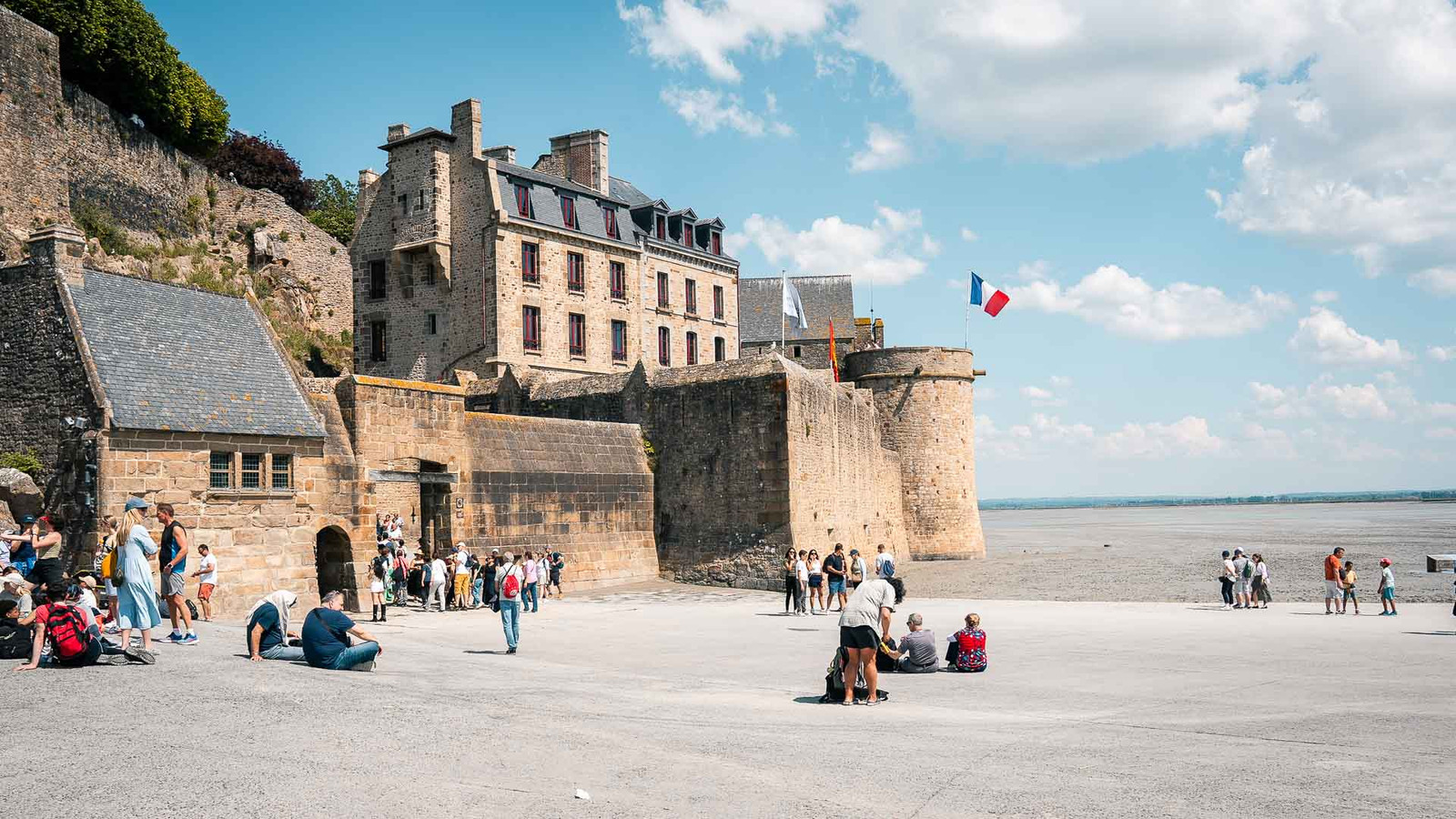
The Hundred Years’ War between France and England turned Mont Saint-Michel into a frontline fortress. The English tried again and again to capture it. They failed every time.
Thick walls, lookout towers, and a determined garrison kept the island out of enemy hands. There’s still an English cannonball wedged in one wall, not removed, not patched, just left there like a scar worn with pride.
1791–1863 — A Prison in Disguise
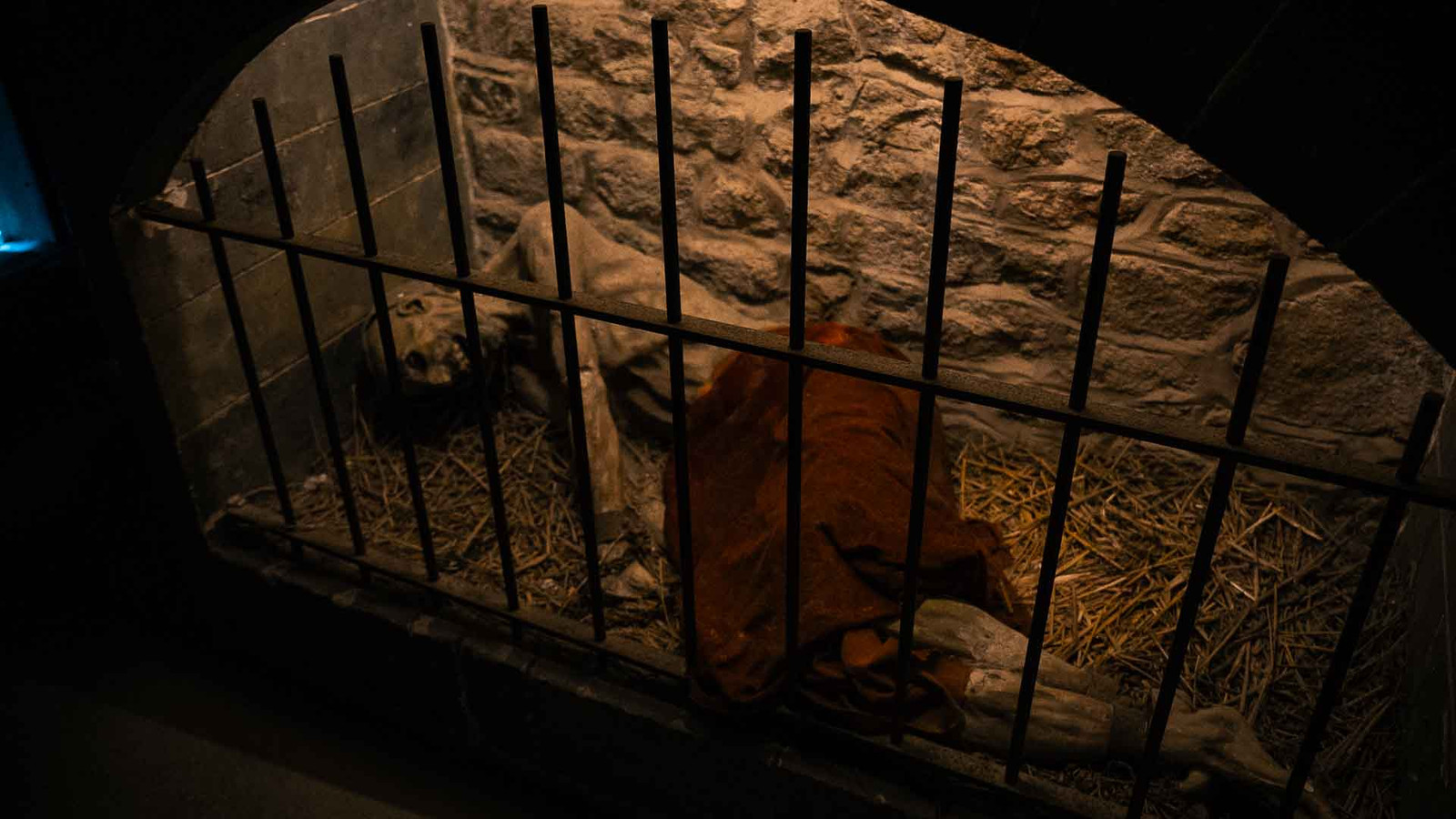
The French Revolution didn’t spare the abbey. Religious orders were dissolved, and Mont Saint-Michel was converted into a prison. Its lofty halls and sacred spaces were filled with convicts, political prisoners, and silence of a different kind.
The transformation lasted over seventy years. Writers and artists, Victor Hugo among them, campaigned hard to save it. They saw what was being lost. The prison finally shut down in 1863, and in 1874, the mount was declared a national monument. Restoration began soon after, brick by painstaking brick.
20th Century — Wars, Survival, and a Return
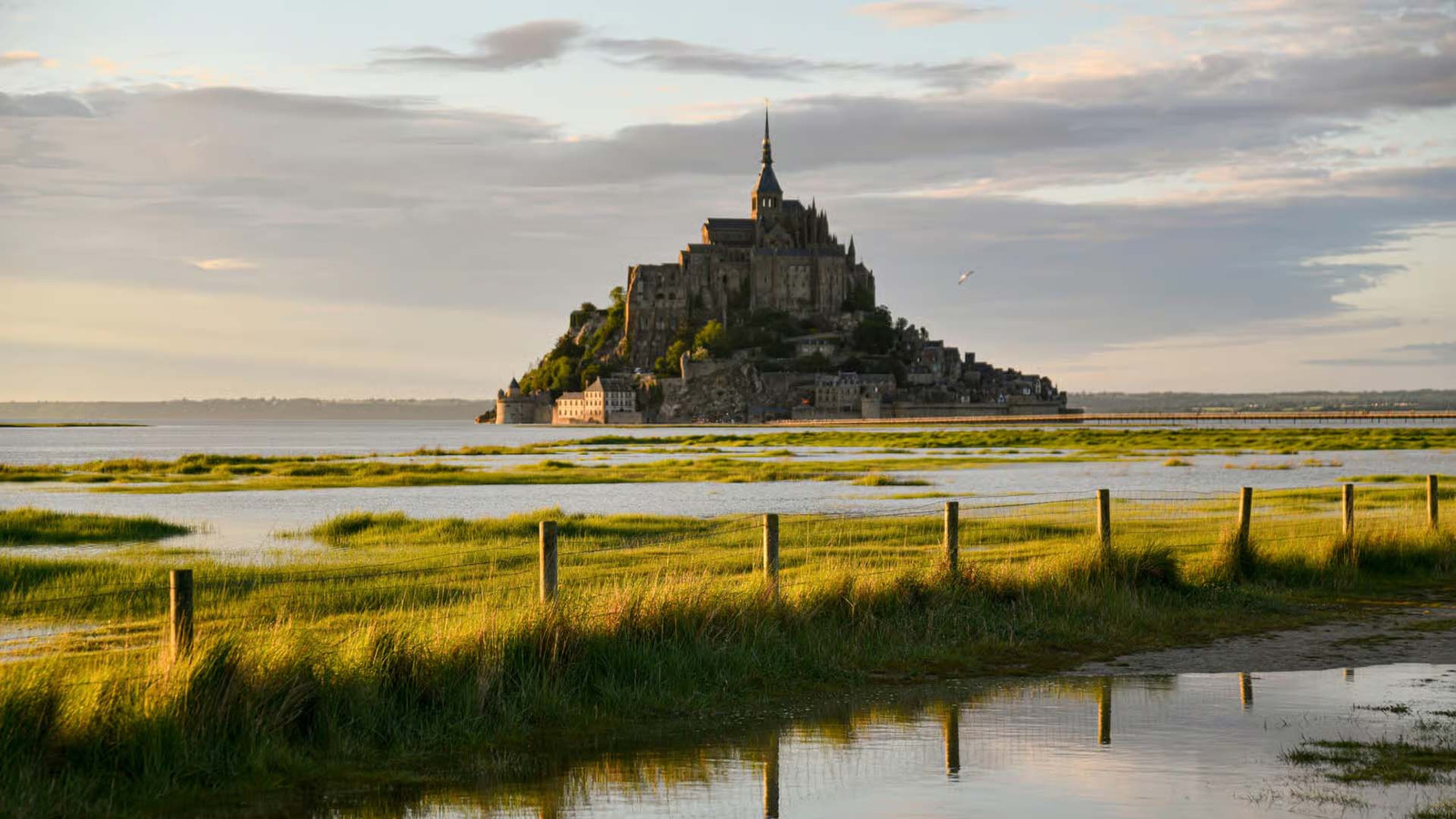
During World War II, German forces occupied Mont Saint-Michel, but the site was spared from damage. After the war, it stood as it always had, battered but untouched.
In 1966, the abbey marked its 1,000th anniversary. Monks returned, if only briefly, to re-establish the spiritual heart of the place. The century that had nearly broken Europe instead brought the mount back into national focus.
2005–2015 — Saving the Island From the Land
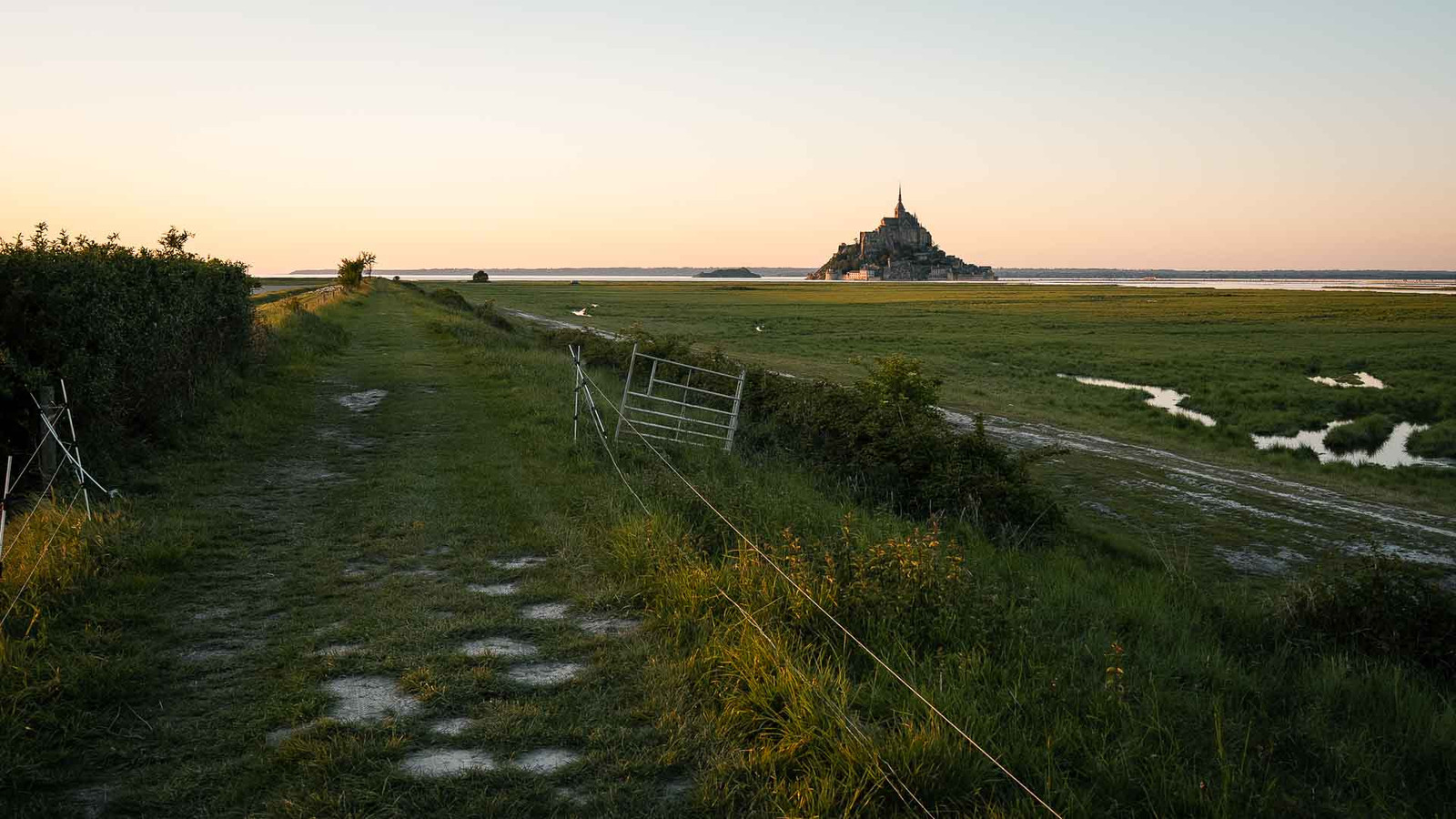
For all the centuries Mont Saint-Michel had stood alone, the 20th century brought a quieter threat: silt. The old causeway, built in the 1800s, blocked the natural flow of the tides. Over time, sand and mud crept in, turning the island into part of the mainland.
In 2005, work began to fix it. The old road was dismantled. A new footbridge was designed to let the sea through. By 2015, the water was back, and Mont Saint-Michel was an island once again.
Now — The Mount That Refuses to Stand Still
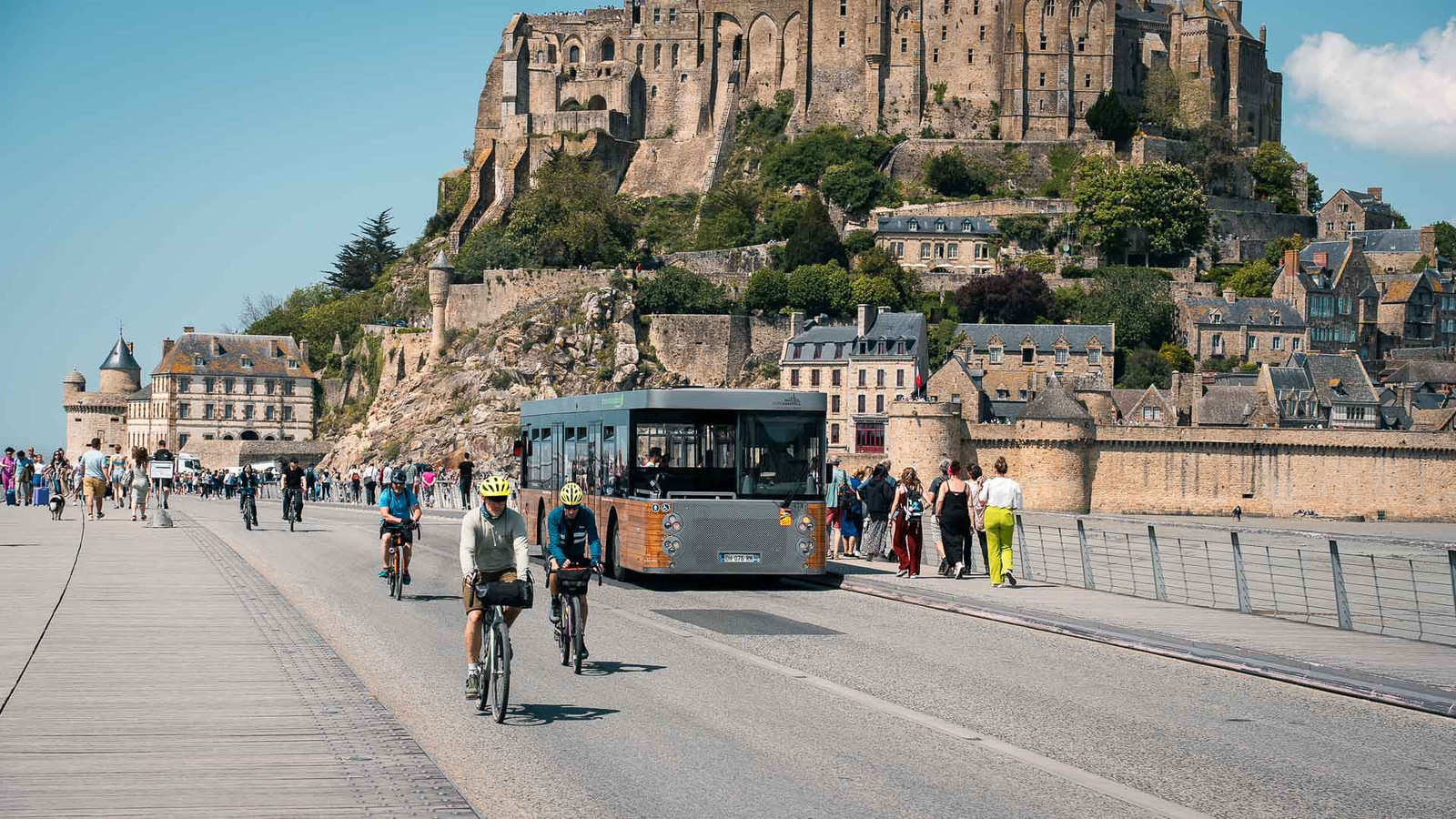
Today, more than two and a half million people visit each year. They come by bus, by bike, on foot. They watch the tide rush in like a living wall. Some stay long enough to see the sea cut off the road behind them, just as it always used to.
Mont Saint-Michel isn’t frozen in time, it never was. It has burned, rebuilt, resisted, crumbled, and revived. It has been a sacred site, a military stronghold, a prison, and a symbol of stubborn endurance.
It still rises with the tide.